Storied History, Bright Future

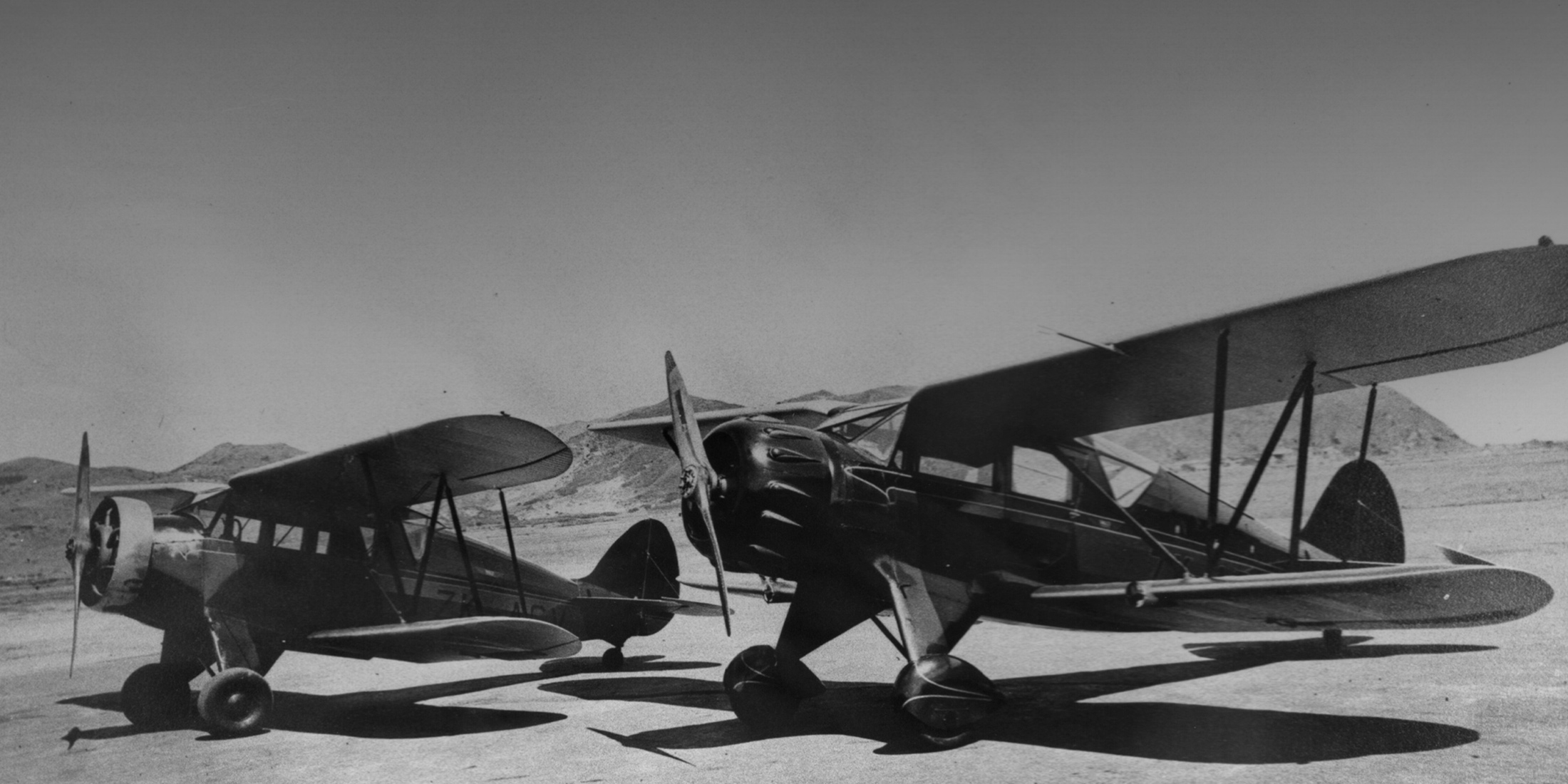
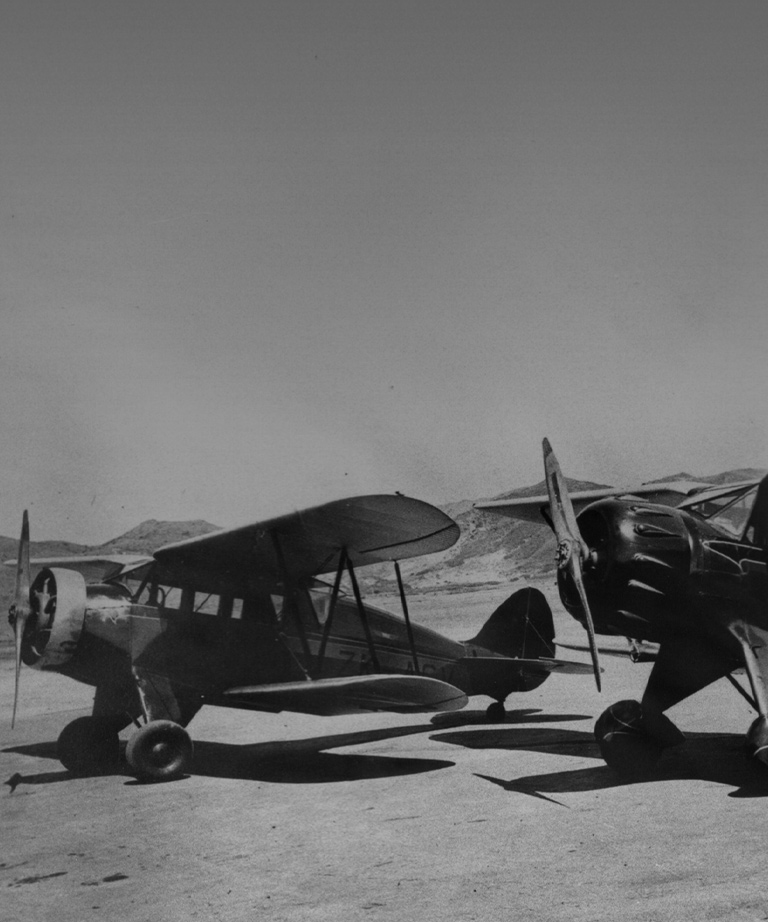
WACO Aircraft’s history stretches back more than a century, with the modern company honoring the legacy of its pioneering name.

Timeline

1895
1915
1920
1923
1925
1929
1930
1931
1931
1933
1934
1935
1936
1940
1941
1973
1983
1986
1999
2011
2015
2016
2018
2019
2021
Junkers
1895
Junkers Founded (Germany)
Hugo Junkers founded Junkers & Co. in Dessau with Robert Ludwig, focusing on thermal and heating technology. By 1897, Junkers became sole owner.
Junkers
1915
First All Metal Aircraft
During World War I, Junkers developed the Junkers J 1, the world’s first all‑metal aircraft, marking a radical shift in aircraft construction.
WACO
1920
WACO Founded (USA)
The Weaver Aircraft Company (WACO) was founded in Lorain, Ohio, building aircraft from surplus WWI Curtiss Jenny components.
WACO
1923
WACO Relocates to Troy, Ohio
The company became Advance Aircraft Company while continuing to market aircraft under the WACO name.
Junkers
1925
Global Expansion & Breakthroughs
Junkers aircraft accounted for nearly 40% of the world’s air traffic network.
Great Lakes
1929
Great Lakes Founded (USA)
Great Lakes Aircraft Corporation was founded in Cleveland, Ohio, producing sport and trainer aircraft.
Great Lakes
1930
National Recognition
A Great Lakes aircraft won the Great Lakes Trophy for fastest airplane in the National Air Tour.
Great Lakes
1931
Endurance Record
Dorothy Hester set a record by completing 62 outside loops in a Great Lakes aircraft.
WACO
1931
New Designs and Innovation
WACO entered the business aircraft market with the QDC cabin biplane. This was a four-place cabin biplane powered by a 165 h.p. Continental A-7.
Junkers
1933
Business & Political Upheaval
Hugo Junkers was forced to surrender patents and majority ownership to the Reich Aviation Ministry and was barred from his factories.
WACO
1934
YMF-5 Introduced
WACO began producing the YMF-5.
Junkers
1935
Death of Hugo Junkers
Following his death, Junkers’ remaining shares were transferred under state control.
Great Lakes
1936
Major Turning Points
Great Lakes Aircraft Corporation ceased operations after producing 264 aircraft.
WACO
1940
World War II Production
WACO was tasked with submitting 100 YPT-14 (later renamed UPF-7) aircraft for the war effort within 99 days. But did not win the contract.
WACO
1941
World War II Gliders
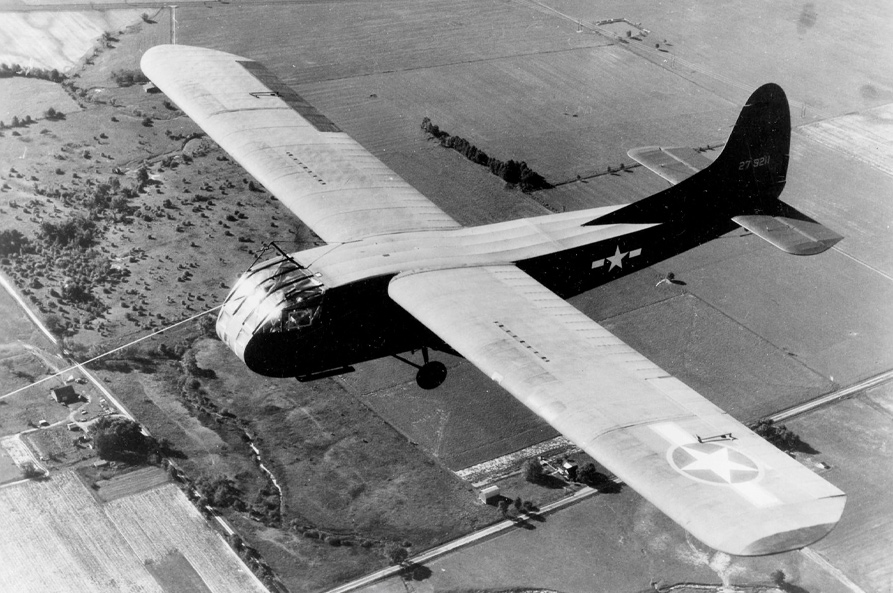
WACO built a total of 1,607 gliders at the Troy, Ohio, location with a further 13,402 built by various other contractors.
Great Lakes
1973
Great Lakes Revival
The Great Lakes 2T‑1A aerobatic biplane returned to production under new ownership.
WACO
1983
WACO Revival Begins
Classic Aircraft Corporation began reviving the WACO YMF, incorporating over 300 engineering improvements.
WACO
1986
YMF Classic Certified
The first newly built WACO YMF Classic received FAA certification.
WACO
1999
WACO Moves to Battle Creek
WACO Aircraft relocated operations to Battle Creek, Michigan.
WACO/Great Lakes
2011
Great Lakes Third‑Generation Prototype
WACO began certification and assembled the first third‑generation Great Lakes prototype.
Junkers
2015
Junkers Revival
Junkers Flugzeugwerke was re‑established by Dieter Morszeck, reviving historic aircraft designs with modern standards.
Junkers
2016
Return of the Junkers F 13
The first newly built Junkers F 13 was unveiled; series production began in 2018.
WACO
2018
Dimor Group Acquisition
Dimor Group, Inc. acquired WACO Aircraft, uniting multiple Golden Age aviation legacies.
Junkers
2019
New Sport Aircraft
The first prototype of the ultra-light Junkers A50 Junior sports aircraft was completed.
DIMOR
2021
A New Era Takes Flight
The Junkers A50 Junior completed its maiden flight. WACO Aircraft expanded its Battle Creek facilities, adding new offices, and an FBO.

The 1920s-1930s

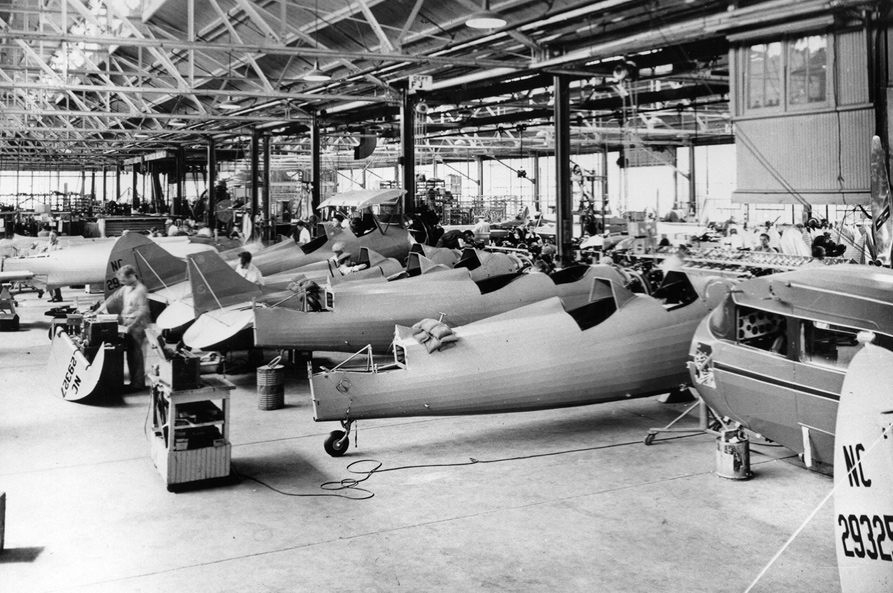
The original Weaver Aircraft Company (WACO) was founded in 1920 in Lorain, Ohio, by George “Buck” Weaver, Elwood “Sam” Junkin, Clayton “Clayt” Bruckner and Charles “Charlie” William Meyers. They designed and built aircraft from surplus World War I Curtiss Jenny parts, leading to the successful WACO 4 and WACO 5 models.

​In 1923, the company relocated to Troy, Ohio, and became Advance Aircraft Company while maintaining the WACO brand. The WACO 6, WACO 7 and the six-passenger WACO 8 followed, but it was the WACO Nine, introduced in 1925, that truly put WACO on the map. With its state-of-the-art design, the WACO Nine outperformed surplus Curtiss Jennys and sold 276 units by 1927. It was widely used in barnstorming, crop dusting and air racing.
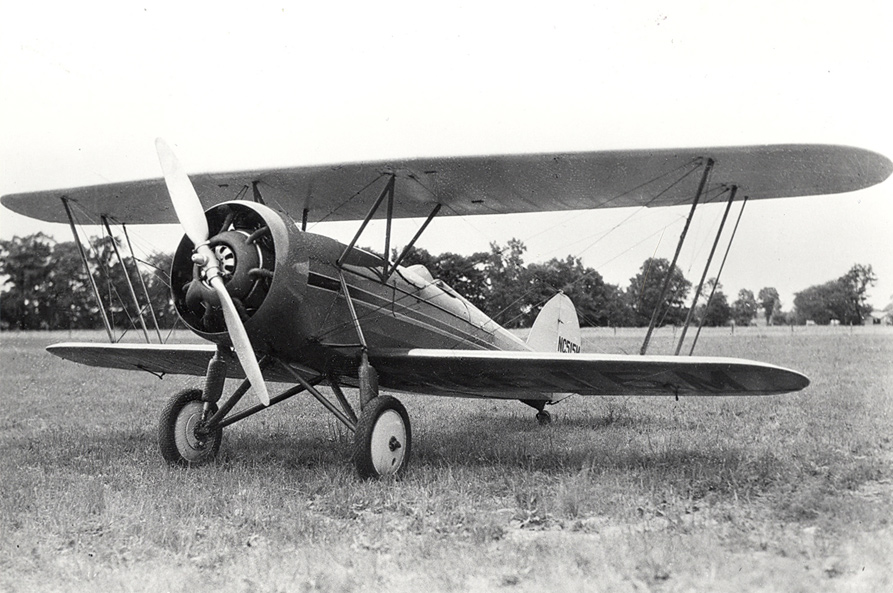
​WACO introduced the improved Model 10 in 1927, featuring a larger wing area, bigger cockpit, and shock-absorbing landing gear. By 1927, WACO aircraft accounted for over 40% of small aircraft sales in the U.S. The company continued its success with the WACO Taperwing in 1928 and officially changed its name to WACO Aircraft Corporation in 1929.

​In 1931, WACO entered the business aircraft market with the QDC cabin biplane, later replaced by the more successful UIC in 1933. The UIC’s well-appointed cabin and stable handling made it popular among corporations and aviators. Subsequent models, such as the UKC/YKC/CJC series, remained popular with figures like Jacqueline Cochran and Henry Dupont.

​World War II Era

During World War II, WACO suspended civilian aircraft production to manufacture CG4-A troop-carrying gliders. After the war, WACO ceased aircraft production in 1946, though its legacy endured among aviation enthusiasts.
WACO Aircraft Reawakens

In 1983, Classic Aircraft Corporation in Lansing, Michigan, set out to revive the WACO YMF. They modernized the design with over 300 engineering improvements while preserving its vintage aesthetics. The first WACO YMF Classic was certified in 1986, followed by the YMF-5C Super in 1991.

The company moved to Battle Creek, Michigan, in 1999. Under new ownership by Peter and Jon Bowers in 2008, WACO introduced the YMF-5D Super and revived the Great Lakes 2T-1A-2 aerobatic biplane in 2013.

​In 2018, DIMOR Group, Inc. acquired WACO Aircraft, continuing its mission to revive the Golden Era’s open cockpit flying experience, eventually expanding its legacy with aircraft such as Junkers A50 Junior.